1. Title of Project : Hamro Sahas Fund; in support of feminist movement building for social norm change
ongoing project
📅 Dec 27, 2027
The Hamro Sahas Programme, titled ‘Supporting Feminist Movement Building for Social Norm Change,’ is a joint initiative by the UK’s Foreign, Commonwealth and Development Office and UN Women Nepal. This programme is designed as a funding mechanism to empower feminist and women’s rights organizations (WROs), particularly those led by marginalized communities. Its core objective is to strengthen feminist movements by offering flexible multi-year grants, comprehensive capacity-building opportunities, and encouraging innovative strategies that tackle deeply rooted discriminatory social norms and harmful practices. The programme specifically prioritizes inclusivity by funding groups led by women and gender minorities from diverse marginalized identities, including persons with disabilities, Dalit, Madhesi, Indigenous groups, religious minorities, communities, and young feminist organizations. Recognizing the widespread challenges such as gender-based violence (GBV) and the chronic underfunding of WROs, Hamro Sahas provides resources and programming that address these issues directly, while promoting collectivization, movement building, and nurturing cultures of care.
In the Jumla district of Karnali Province, this programme is implemented with Sarbodaya Nepal serving as the lead partner. Sarbodaya Nepal is dedicated to empowering marginalized women within Karnali and its surrounding areas, focusing on gender equality, women’s rights, and combating harmful social norms. This local approach aligns closely with UN Women’s vision for the Hamro Sahas Programme, ensuring that interventions are context-specific and address the unique challenges faced by marginalized populations in Jumla. By collaborating closely with communities, Sarbodaya Nepal contributes significantly to the programme’s goal of fostering feminist movement building and driving lasting social norm change. SNJ (Sarbodaya Nepal, Jumla), a social organization with a clear vision, complements these efforts in the region. SNJ’s vision is to establish a just society free from all forms of discrimination and to foster a healthy environment. Its mission centers on empowering deprived and marginalized communities by increasing their meaningful participation in economic, social, and political activities that ultimately build long-term peace and improve quality of life. SNJ’s purpose is to support women and disadvantaged groups by strengthening their economic, social, political, and cultural empowerment. The organization actively advocates against injustice, discrimination, and social taboos that particularly affect women and girls on social and psychological levels. SNJ empowers local women through networking and by organizing campaigns aimed at advocating for their rights. This advocacy and mobilization work strategically aligns with the feminist principles promoted by Hamro Sahas, making SNJ a vital actor in driving grassroots change.
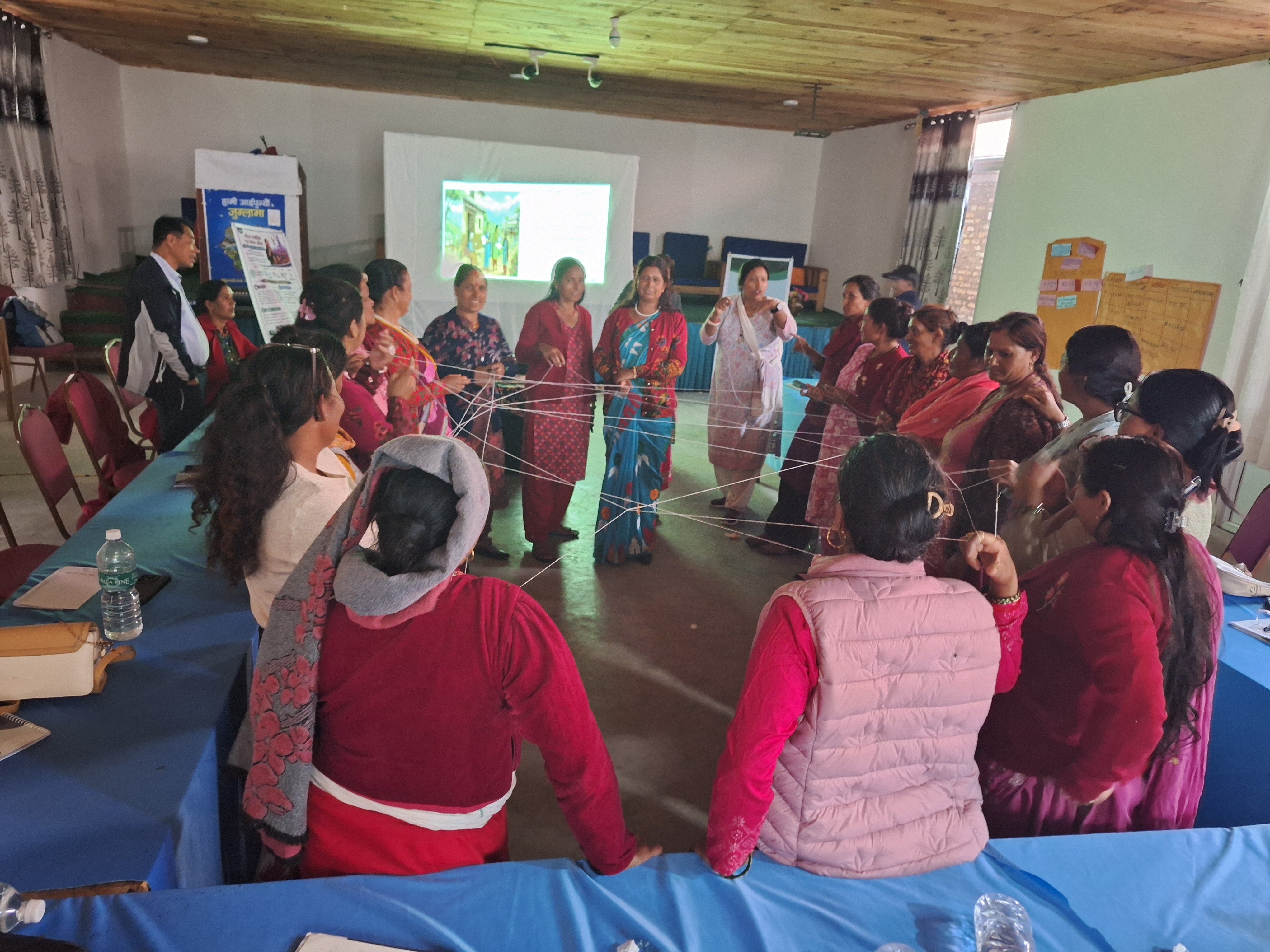
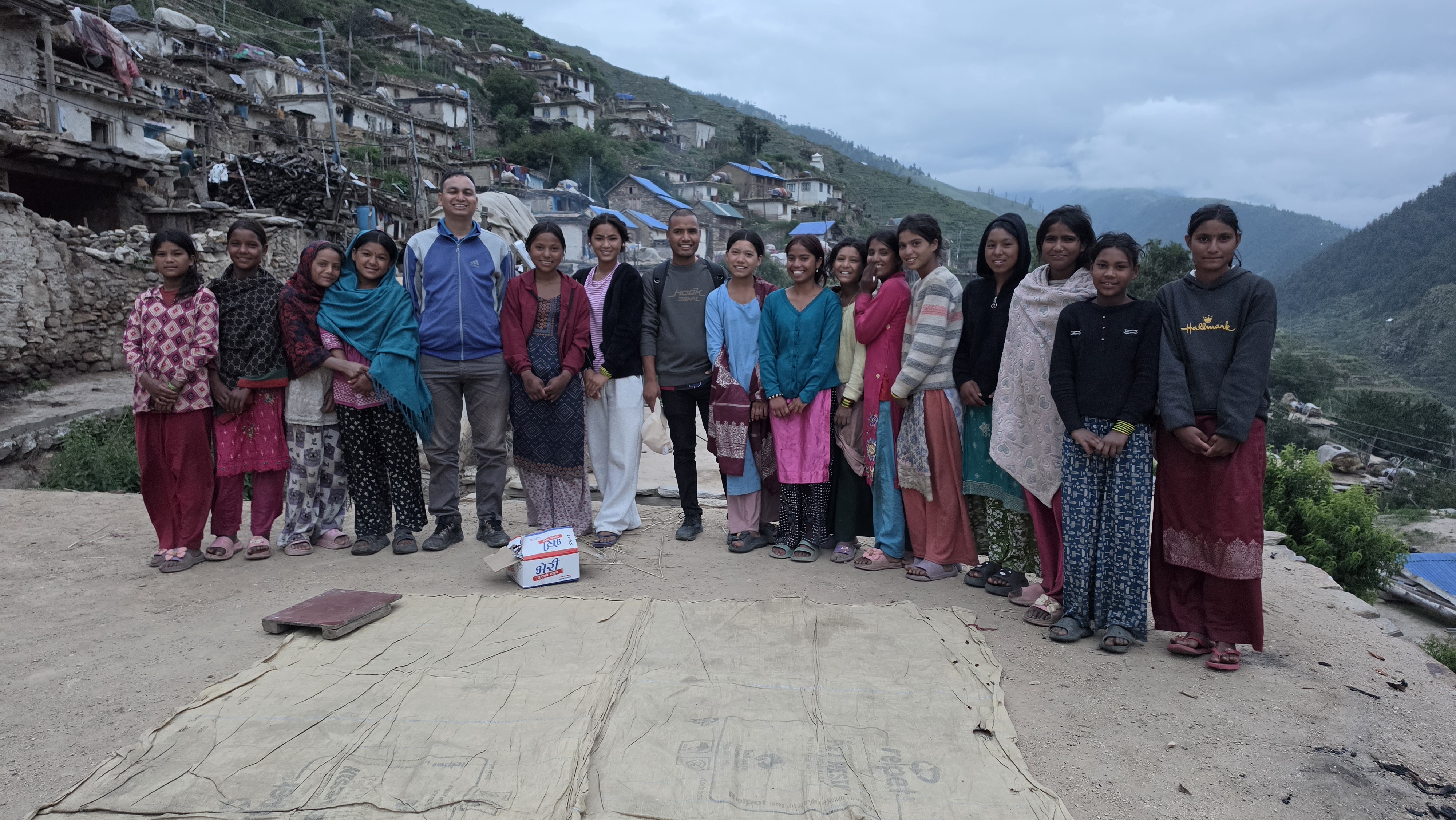
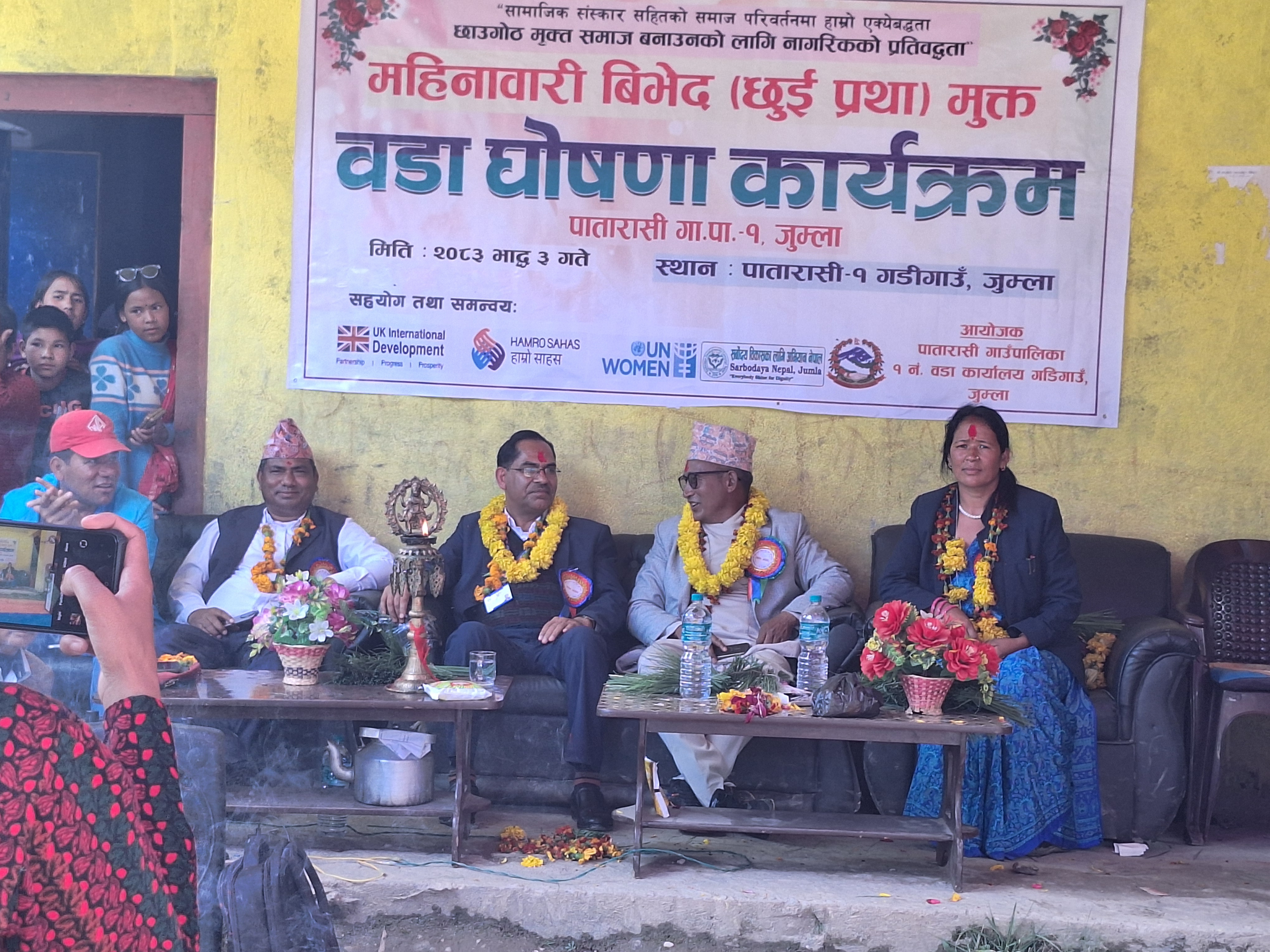
The Hamro Sahas programme in Jumla targets five municipalities, covering 10 wards and engaging 32 women’s groups known as Ama Sumuha. This focused outreach allows for deep engagement with communities and the creation of grassroots feminist movements pushing for social norm transformation at local levels. Building on a proven history of success in promoting women’s and girls’ rights, social justice, economic empowerment, and participation in local governance, SNJ’s involvement is expected to accelerate progress. The programmer's success will be measured through specific indicators that capture changes in feminist movement building, social norm shifts, and the empowerment of marginalized women and girls. These include achieving gender equality and ensuring women’s meaningful participation in household and local decision-making, reducing gender-based violence and harmful practices such as child marriage, child labour, Chhaupadi, and dowry through survivor-centered multi-sectoral responses. It aims to protect and promoting their rights and freeing them from violence, abuse, and exploitation. Additionally, it targets the reduction of discriminatory social and gender norms that limit bodily autonomy and reproductive rights across humanitarian and development settings.